Aconcagua
I just got back from climbing Aconcagua. I made plans earlier in the year to go. After the record on Mont Blanc, I wanted to try climbing something higher to see how I would perform in higher altitudes. Although acclimatization is a nice-to-have for Mont Blanc, I think it’s possible to climb it without any specific adaptations. For something like Aconcagua (6,692 m), you have to approach it a little more deliberately.
As the trip approached, I was not entirely looking forward to it. In August, I had arranged with the Armenian SkiMo Federation to represent them on the World Cup circuit this winter, and leaving home for most of the month of December was not ideal for preparation. On the other hand, this is a mountain that a lot of people dream of, so I tried to accept that nothing is perfect and make the best of the experience.
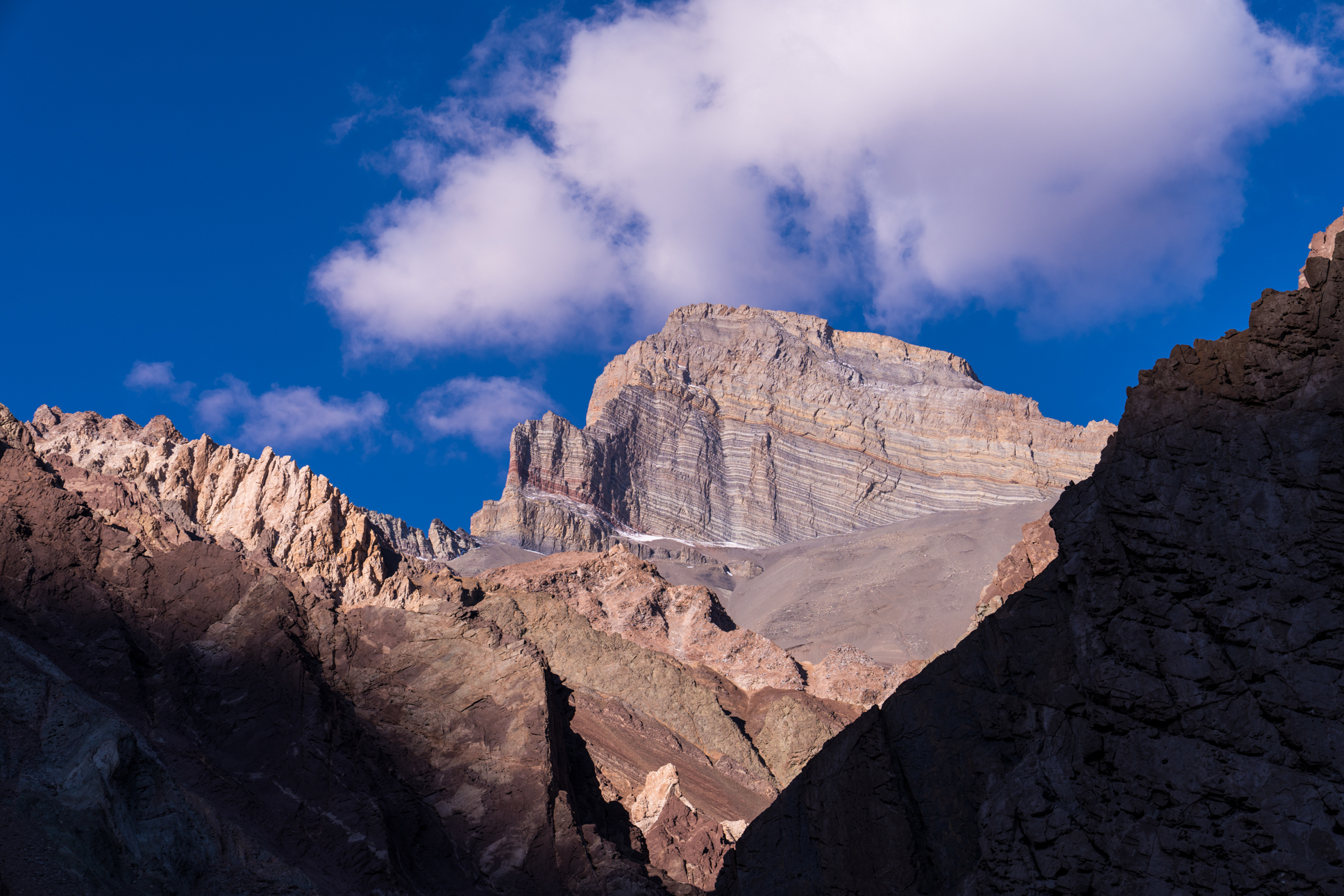
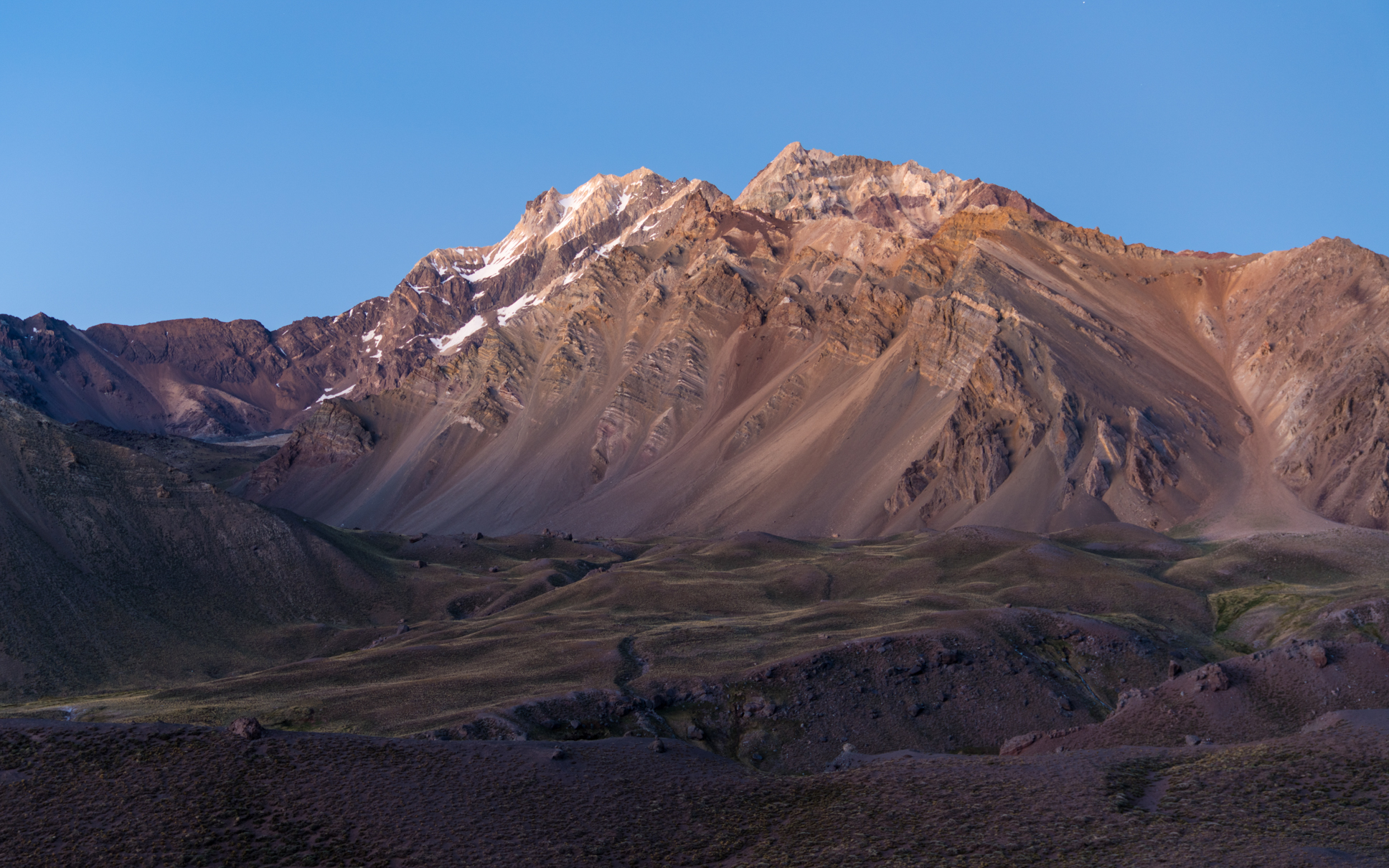
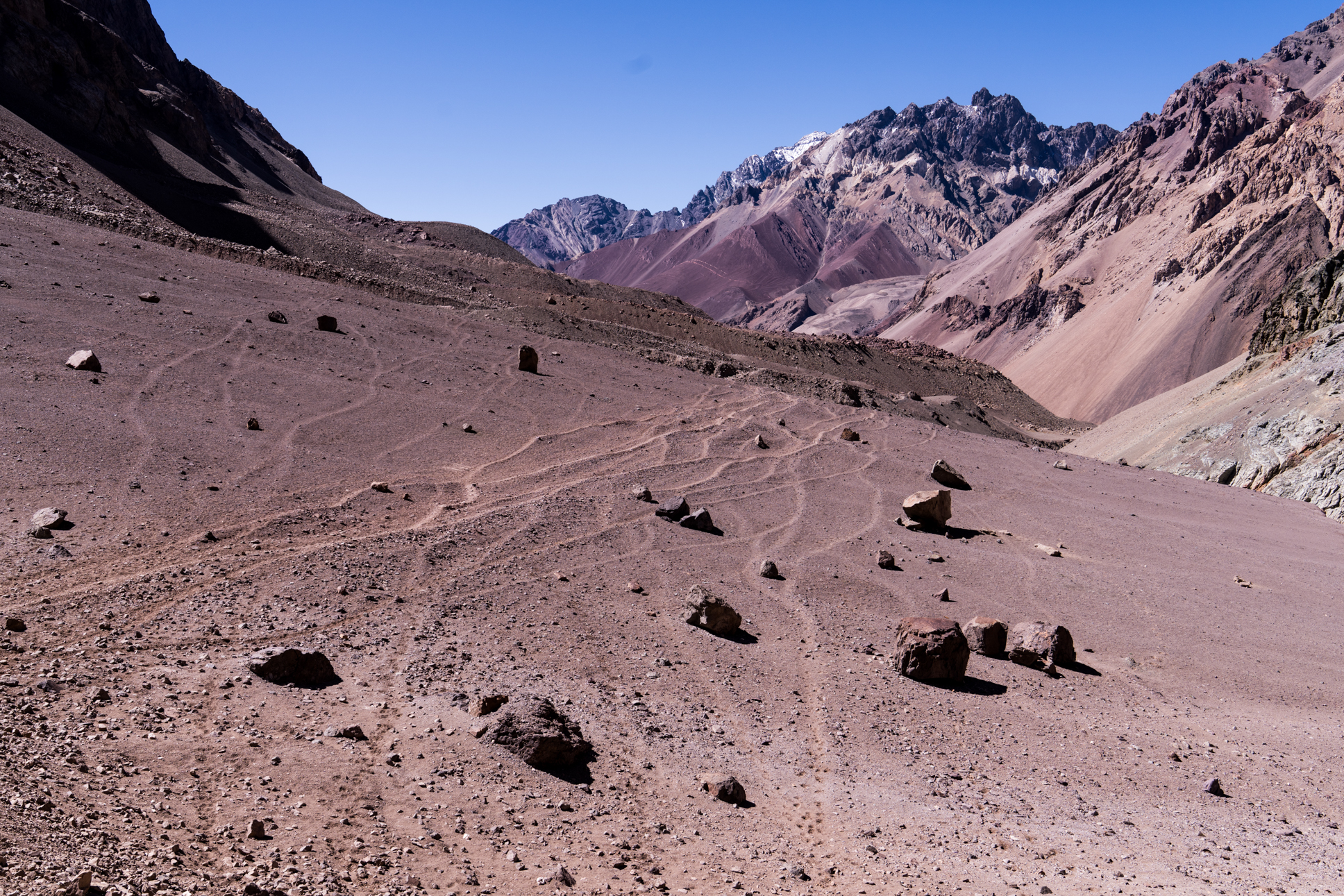
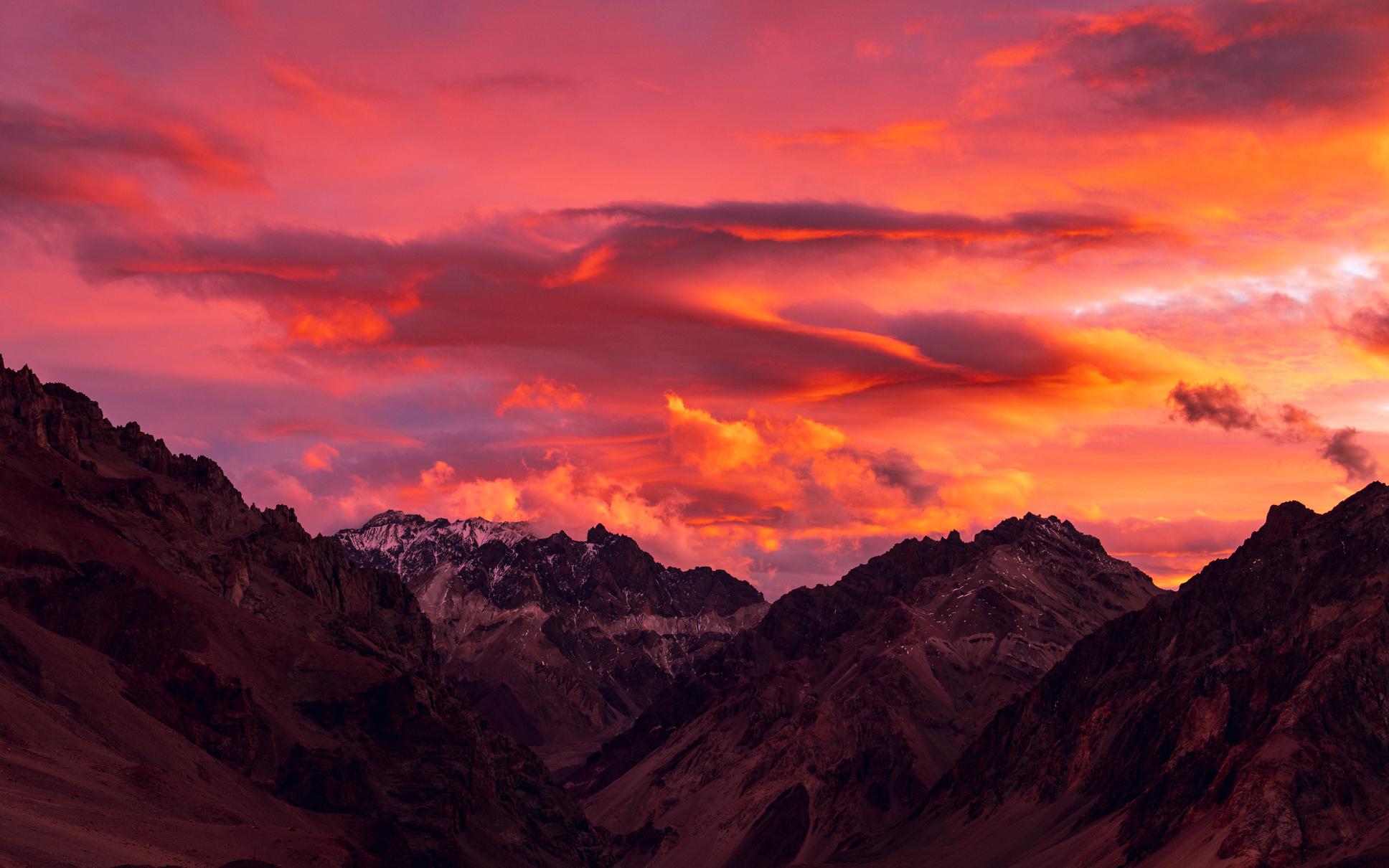
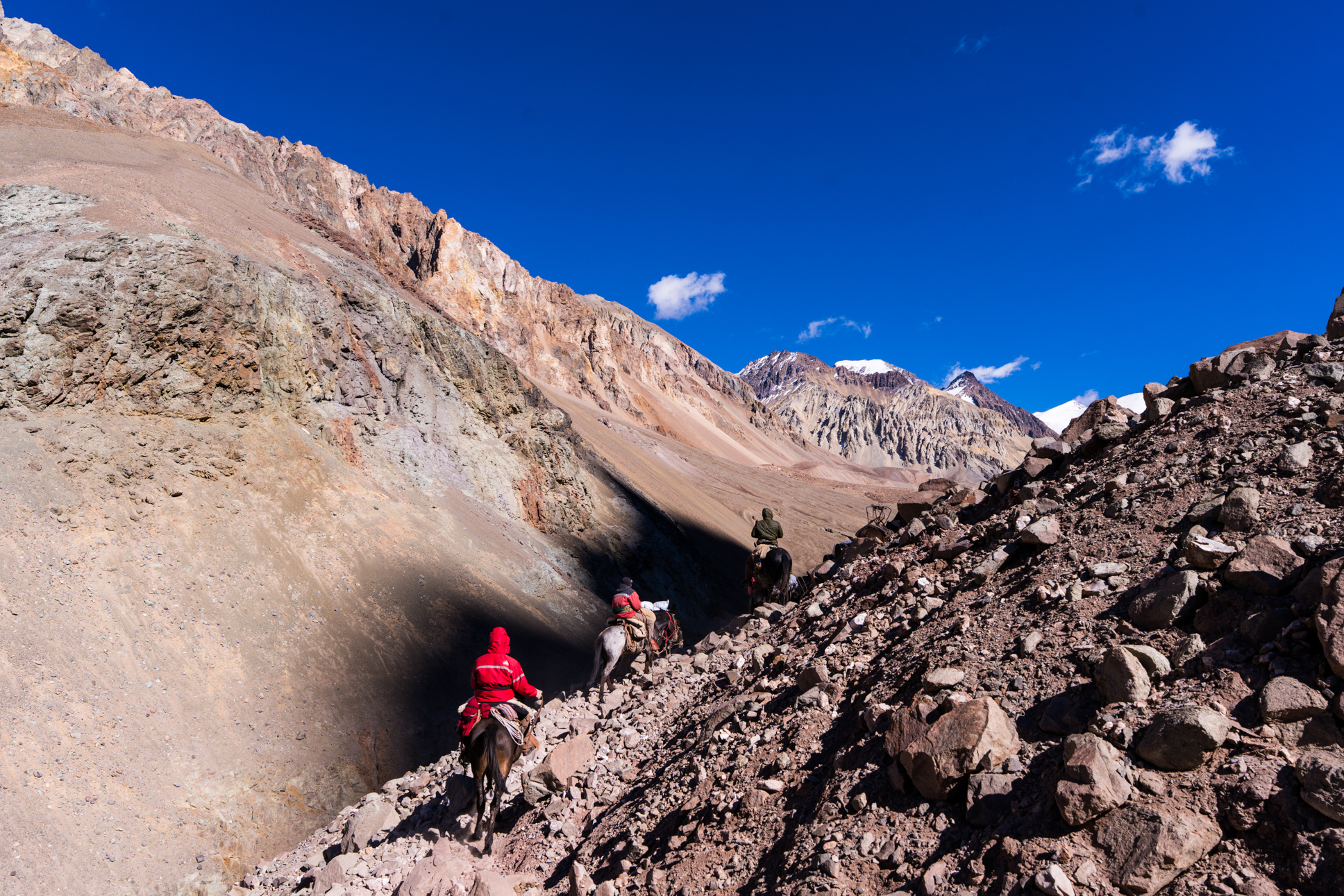
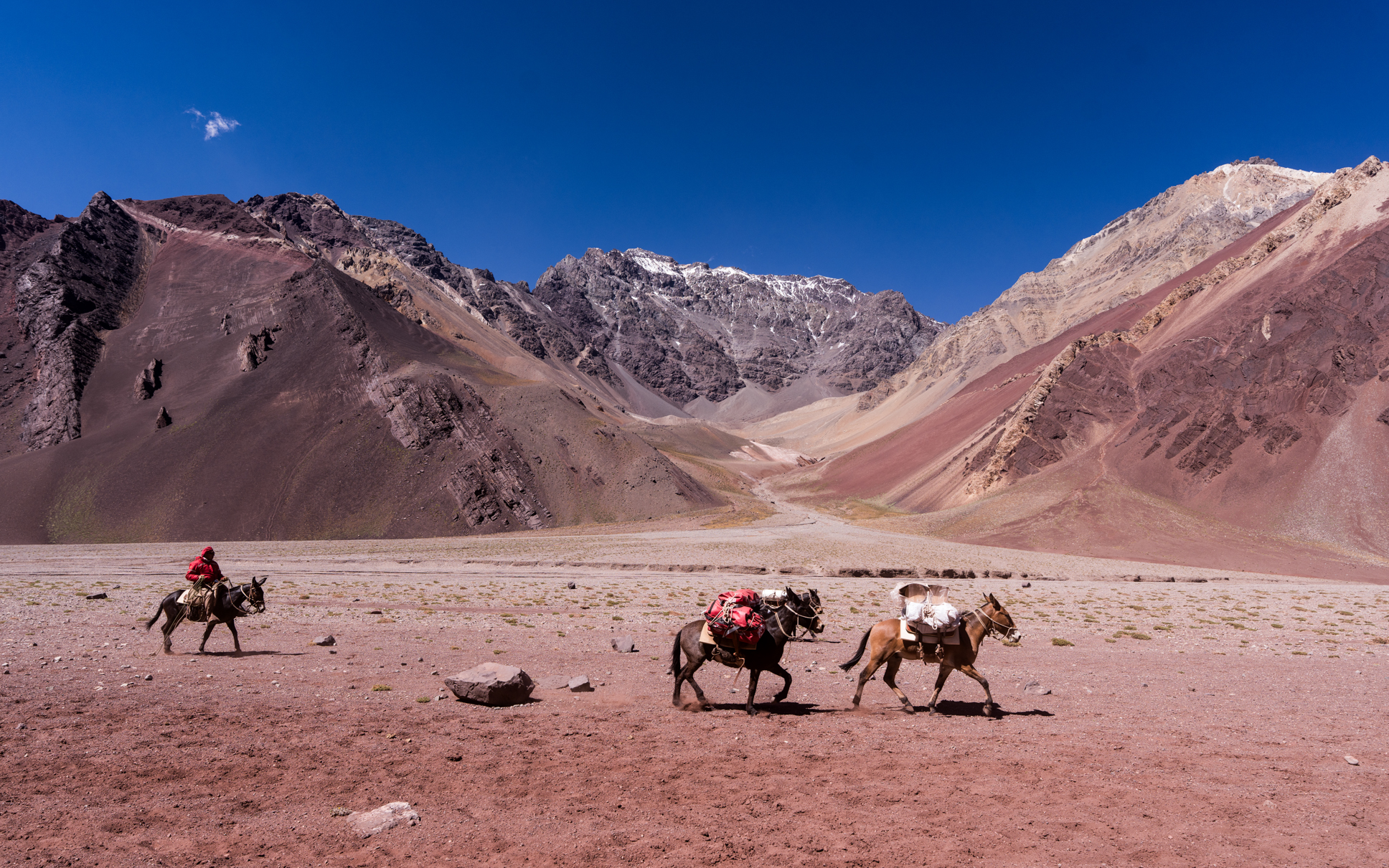
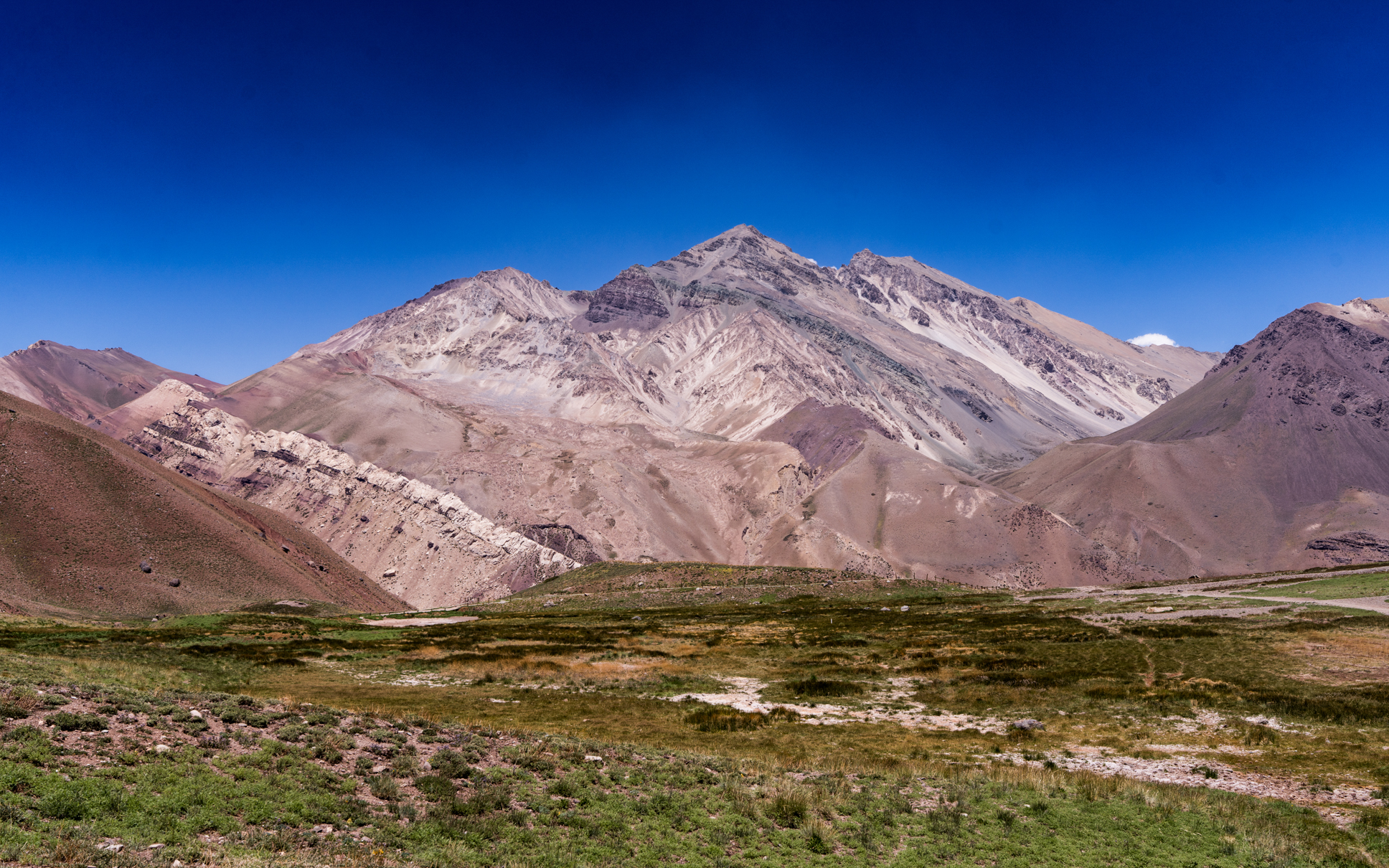
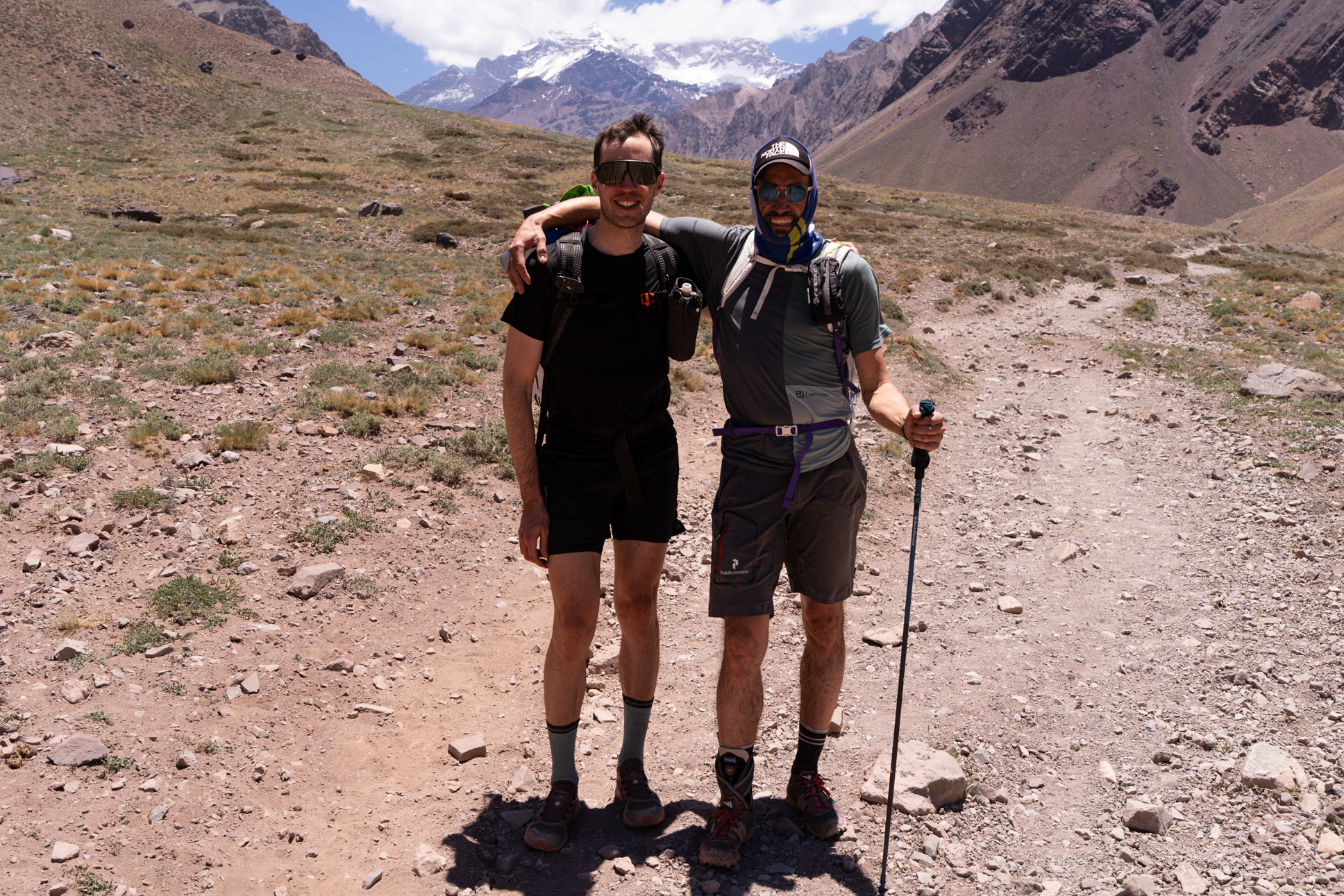
I went with my friend Christoph, and on 10 December we flew into Santiago, Chile. On the 12th, we got dropped off at the ranger station at the park entrance and were sent on our way. The first thing that struck me was the colors of the mountains. Blue sky, red sand, gray stone, green grass, and white-capped summits.
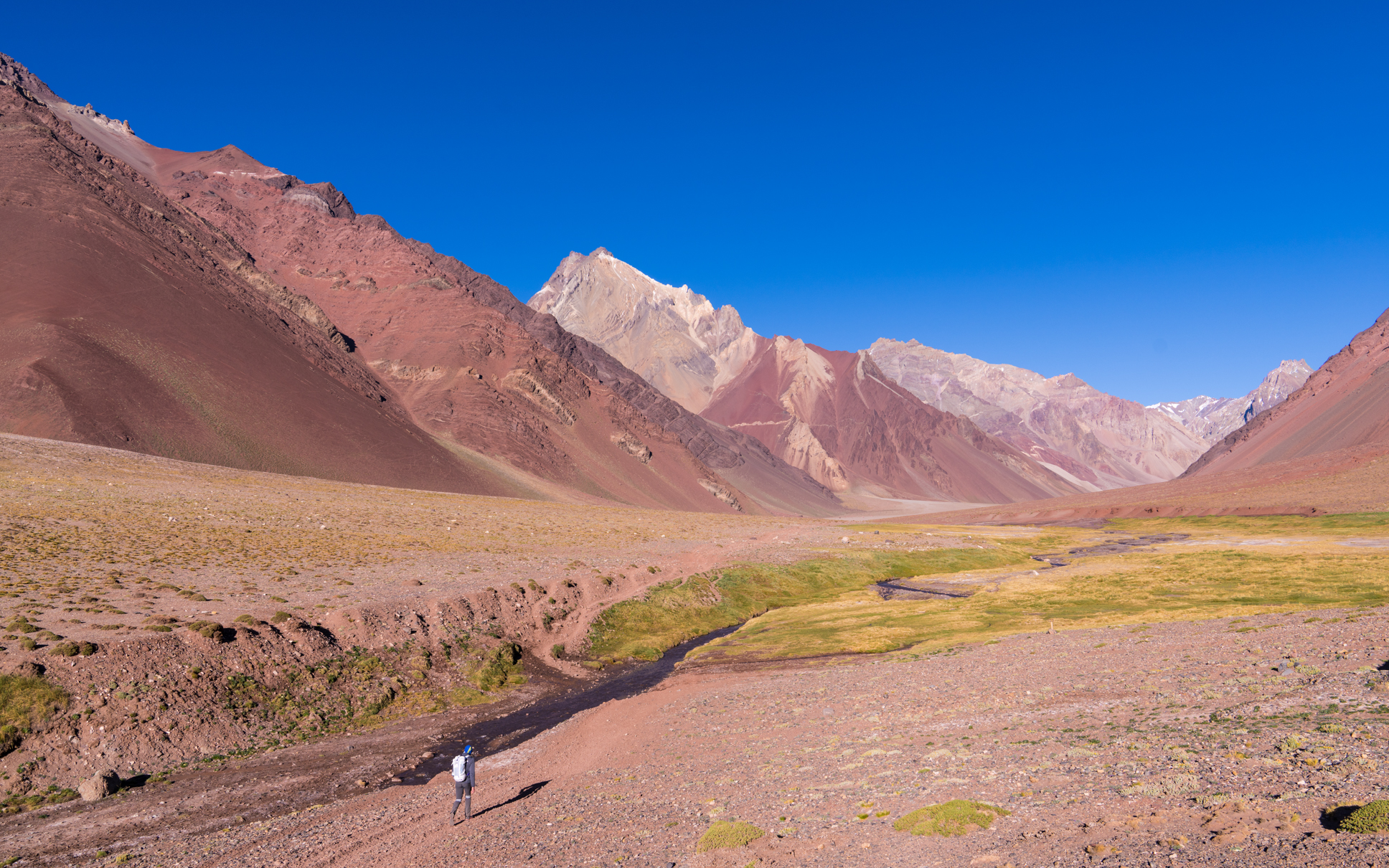
The first day is a short hike to the first camp, Confluencia. We planned to spend two nights there before hiking the 18 km to the main base camp, Plaza de Mulas, but the forecast was calling for a storm in two days with up to 20 cm of snow and 100 kph wind. We decided to go to Mulas after one night so that we could hunker down in the storm.
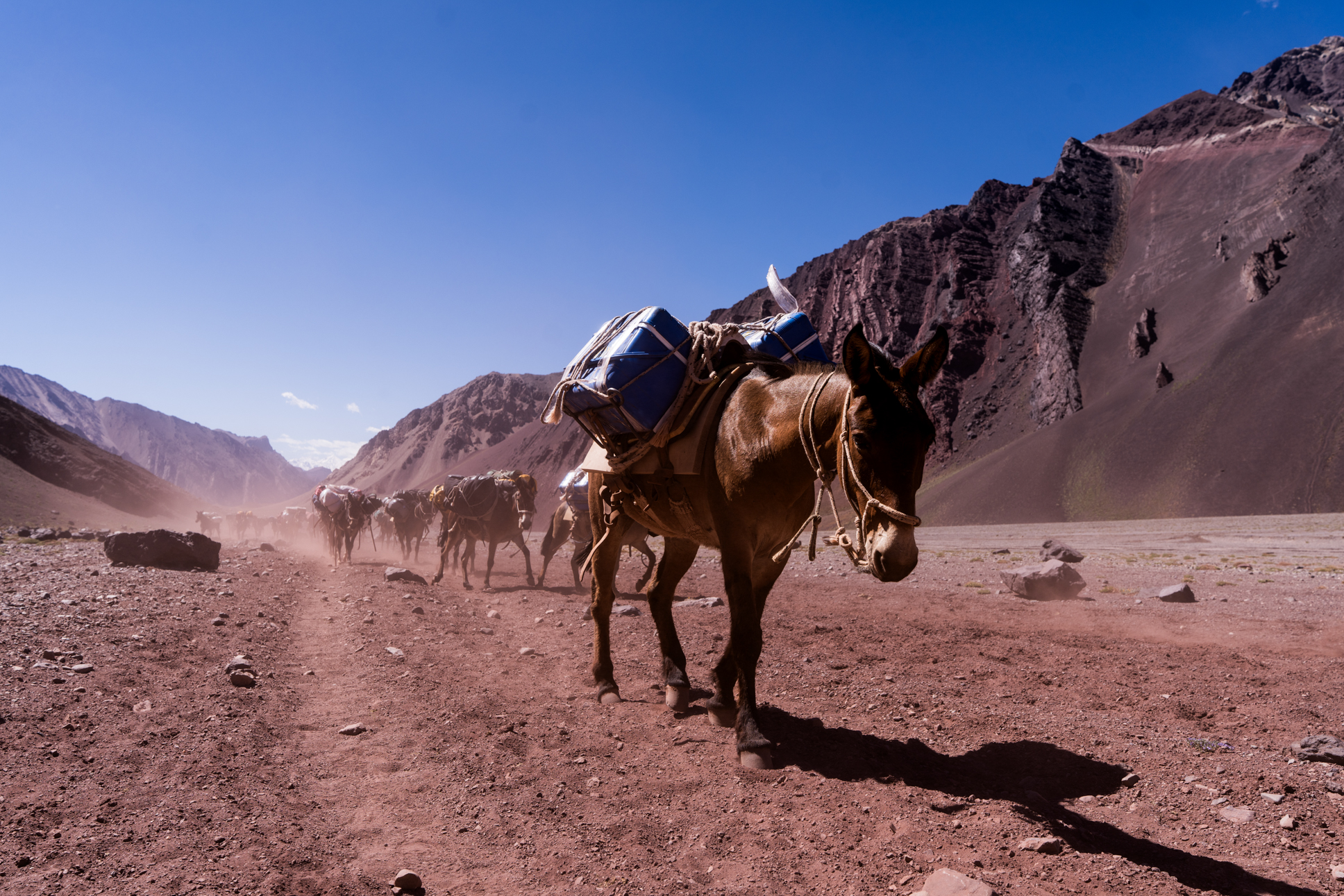
Base camp is a little like being in a medieval camp. There are large, communal tents for cooking, eating, washing clothes, etc. that people share, and people sleep either in small, single-person tents or in larger tents with eight beds (Christoph and I stayed in single-person tents). Every day, a group of mules arrives with supplies, but you don’t know exactly when or what they will bring.
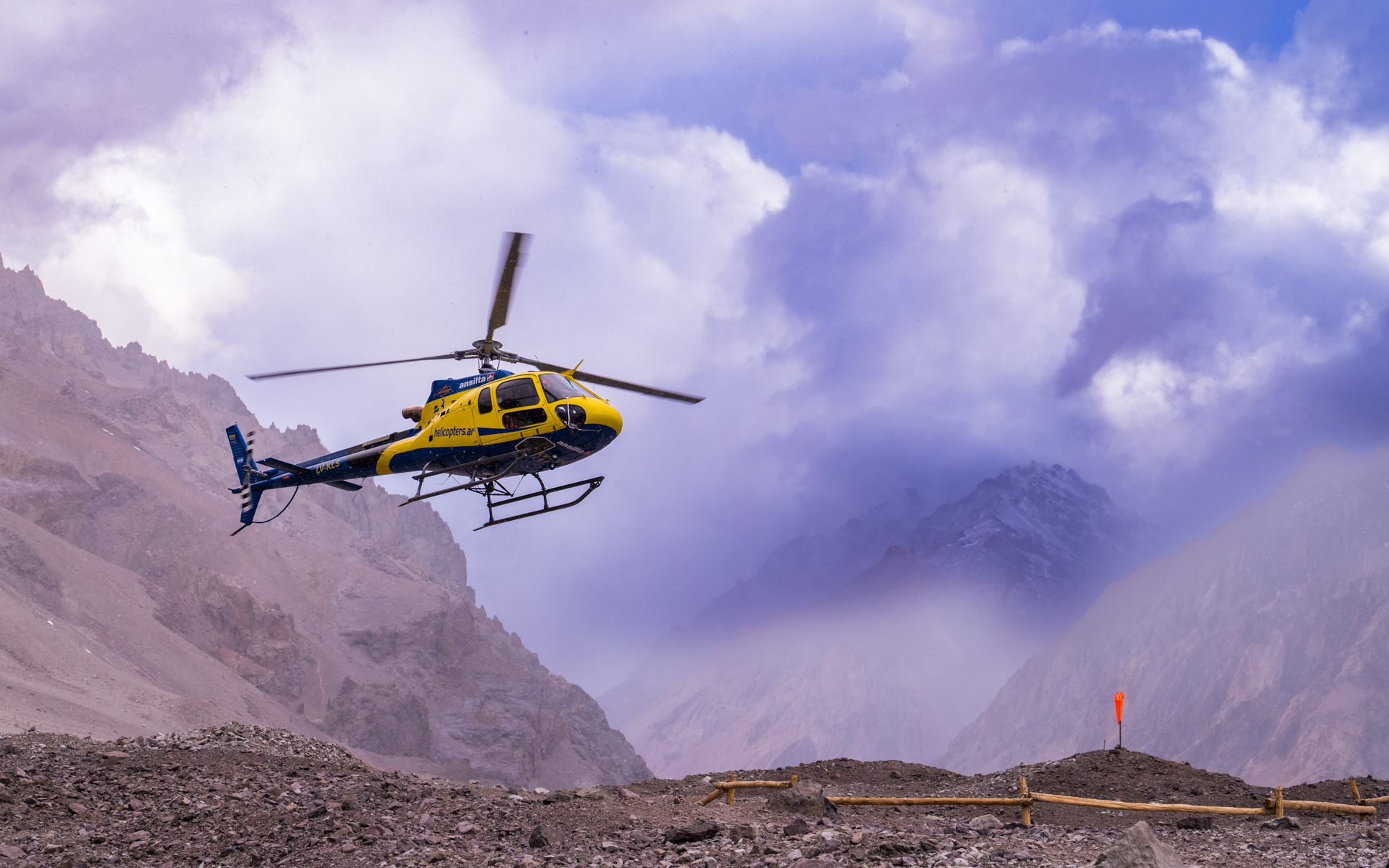
Life moves at a little different pace; if you need something, maybe the mules will bring it in a few days. On a typical day at camp, I’d wake up around 7 for breakfast, and the first thing I’d do was put my toothpaste into my jacket pocket because it froze each night and I’d need it to thaw out to actually get it out of the tube. Although it was light around 6, the sun was blocked by the mountain until about 9:10, until which time we stayed huddled in the dining tent with down jackets and warm coffee. Once the sun is up, you still have to stay covered, else you get insta-sunburned, but the temperature is warm enough to walk around comfortably outside. I spent most days reading on my Kindle (you still have to wait for the sun to come up because the freezing temperatures kind of mess with the e-ink) and talking with other climbers. Some days you can take a shower. There is a sign that says “3 minutes per shower” but it’s somewhat self-enforcing – if you get warm water you go as fast as you can in hopes of ending the shower before it runs out. I love both helicopters and animals, so I spent a lot of time parked at the camp entrance with my camera waiting for either one to arrive. The first few rest days seem to drag on forever but after about a week it just seems normal. I missed my computer but not for watching things, rather because I wanted to write, and I hate writing on my phone. Pencil and paper would have worked too.
I have climbed many peaks over 4,300 meters, but I don’t think I have ever stayed that high for long. The first day that we were there, I had a bad headache for the afternoon and didn’t sleep very well. But after a few days the problems went away. My little tent started to feel like home. I did not bring enough warm clothes. My mountaineering style is usually fast, single-day missions where I am always moving and if the weather turns bad then I turn around. My habit is to pack light, and I paid for this early shivering in my sleeping bag at night.
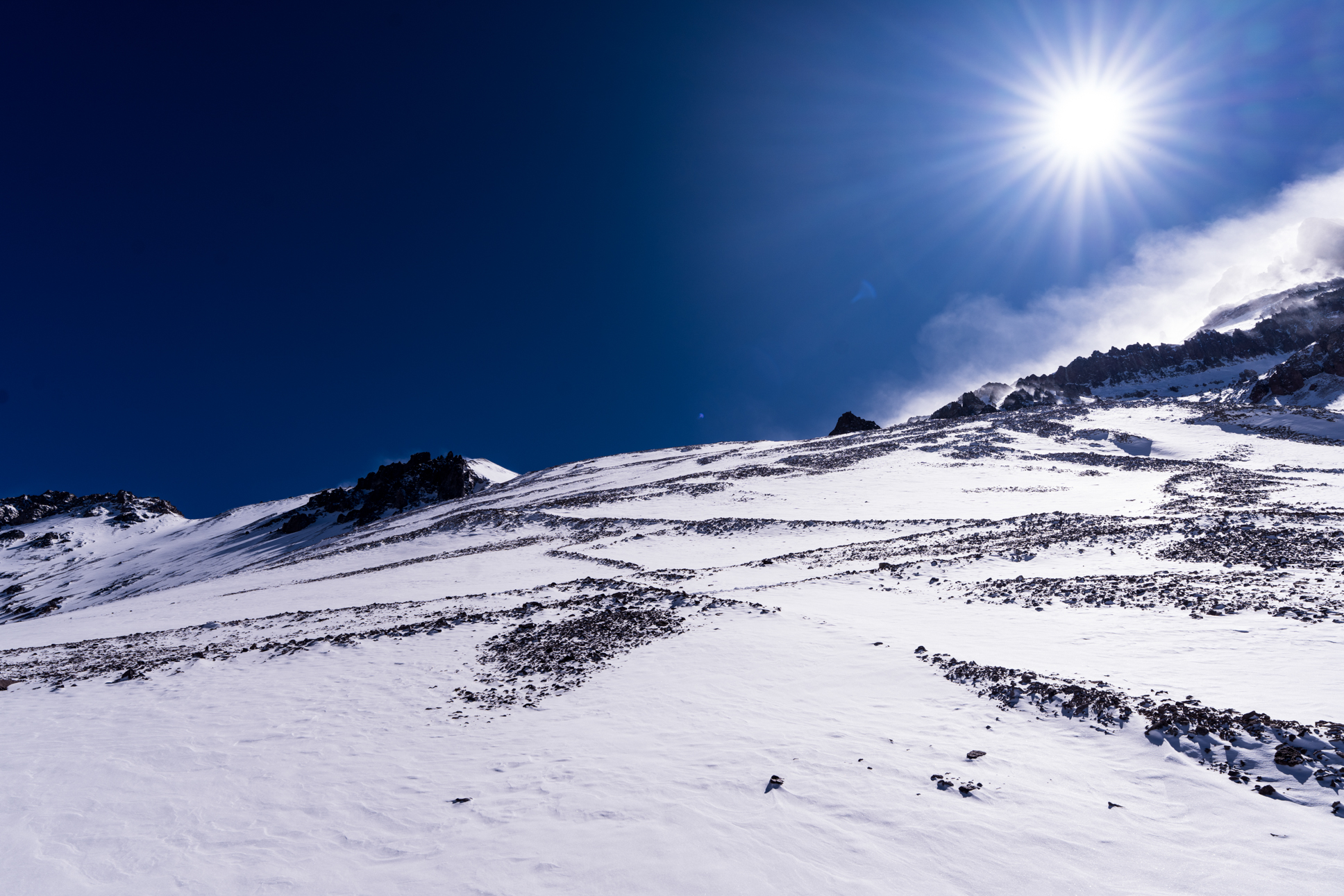
A typical acclimatization strategy is first to expose yourself to higher altitude but come down to recover, and then return to the higher altitude to sleep. So after the storm passed in Mulas, we hiked up to the second high camp, Nido de Cóndores, at 5,600 meters, and then returned to Mulas. The melting snow left a cool striation pattern in the lower elevations.
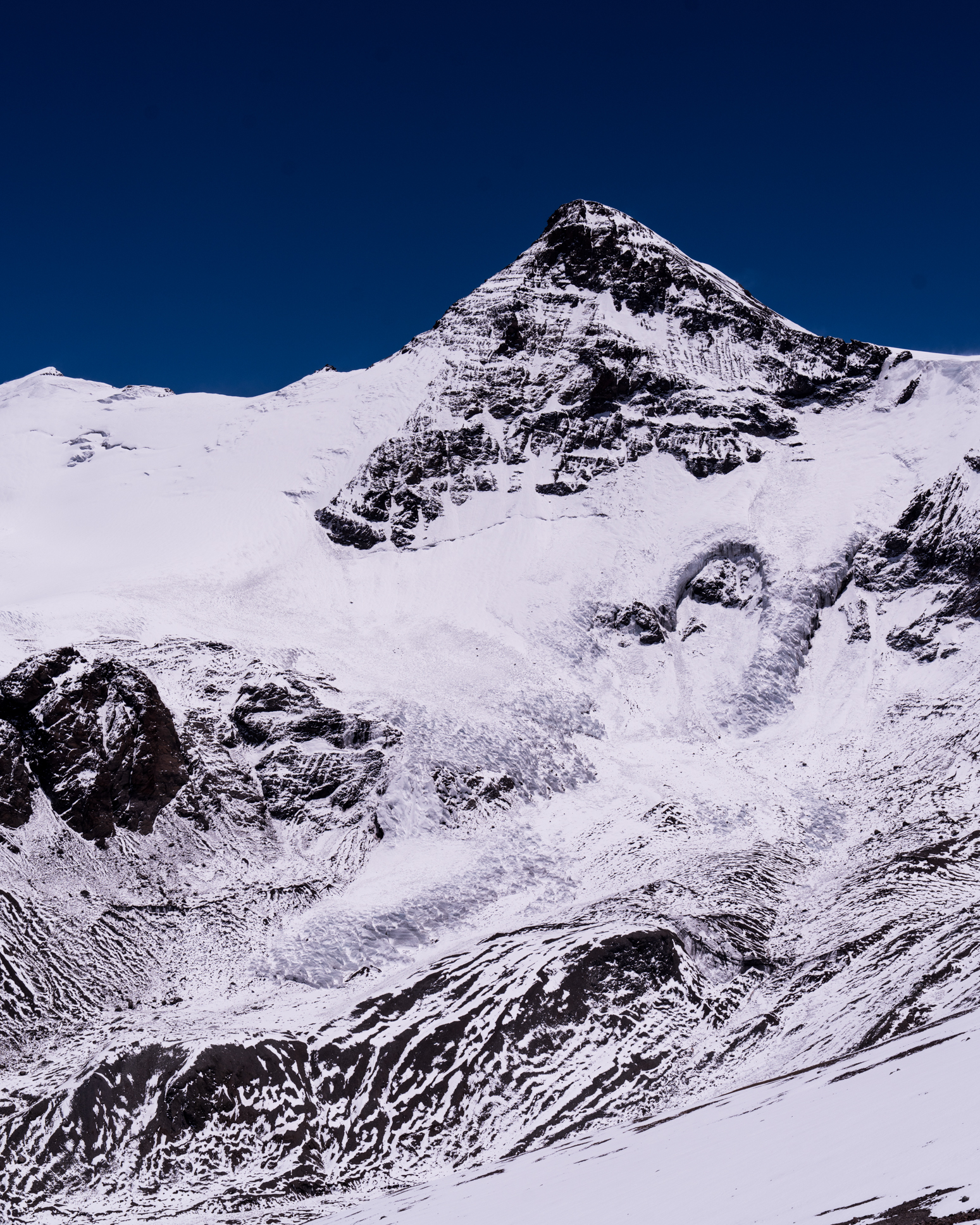
After a day of rest, we returned to Nido de Cóndores, this time to sleep. I felt fine on the way there, but similar to my first day in Mulas, I started to get a headache as we spent more hours there. We also made a mistake in packing: We forgot the extra guy lines to tie down our tents. After some time scavenging, we found some extra rope around camp that we were able to use on our tents. As I walked what looked like a short distance to the ranger station to radio down to base camp about the situation, I found that I had to walk very slowly and stop every few minutes. This was the first time that I really felt the effects of altitude so starkly. But, the views from this camp are stunning, so call them “view appreciation moments”.
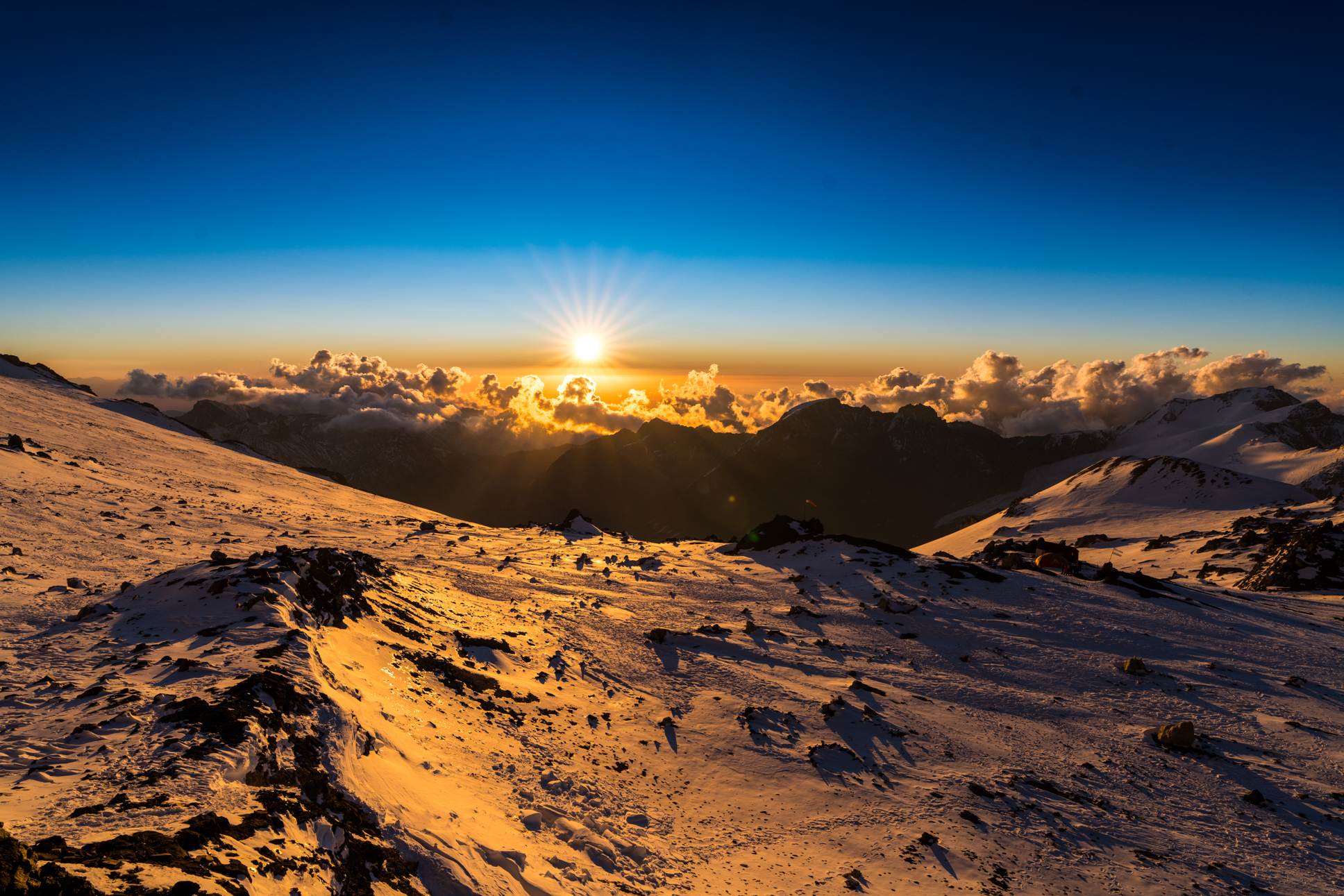
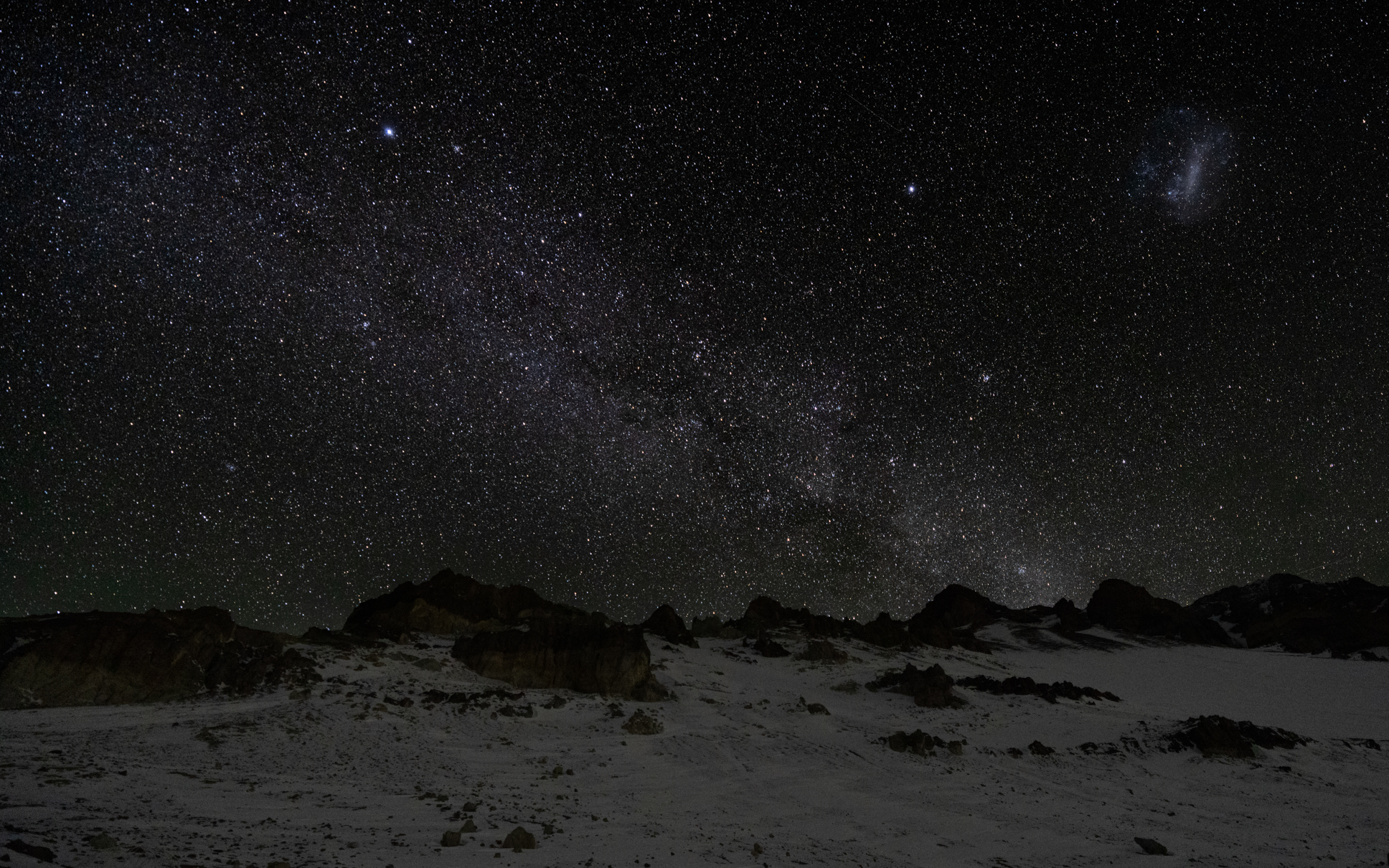
At night, it was impossible to sleep. First, at this elevation, the sunset is very late because you can see so far over the horizon. Second, it was cold, probably about -20 C. Third, my head and my feet were touching the ends of the tent, and there was a lot of condensation, which freezes on the inside of the tent wall, such that every time I moved some fresh snow (that I had created with my breath) would fall on my face.
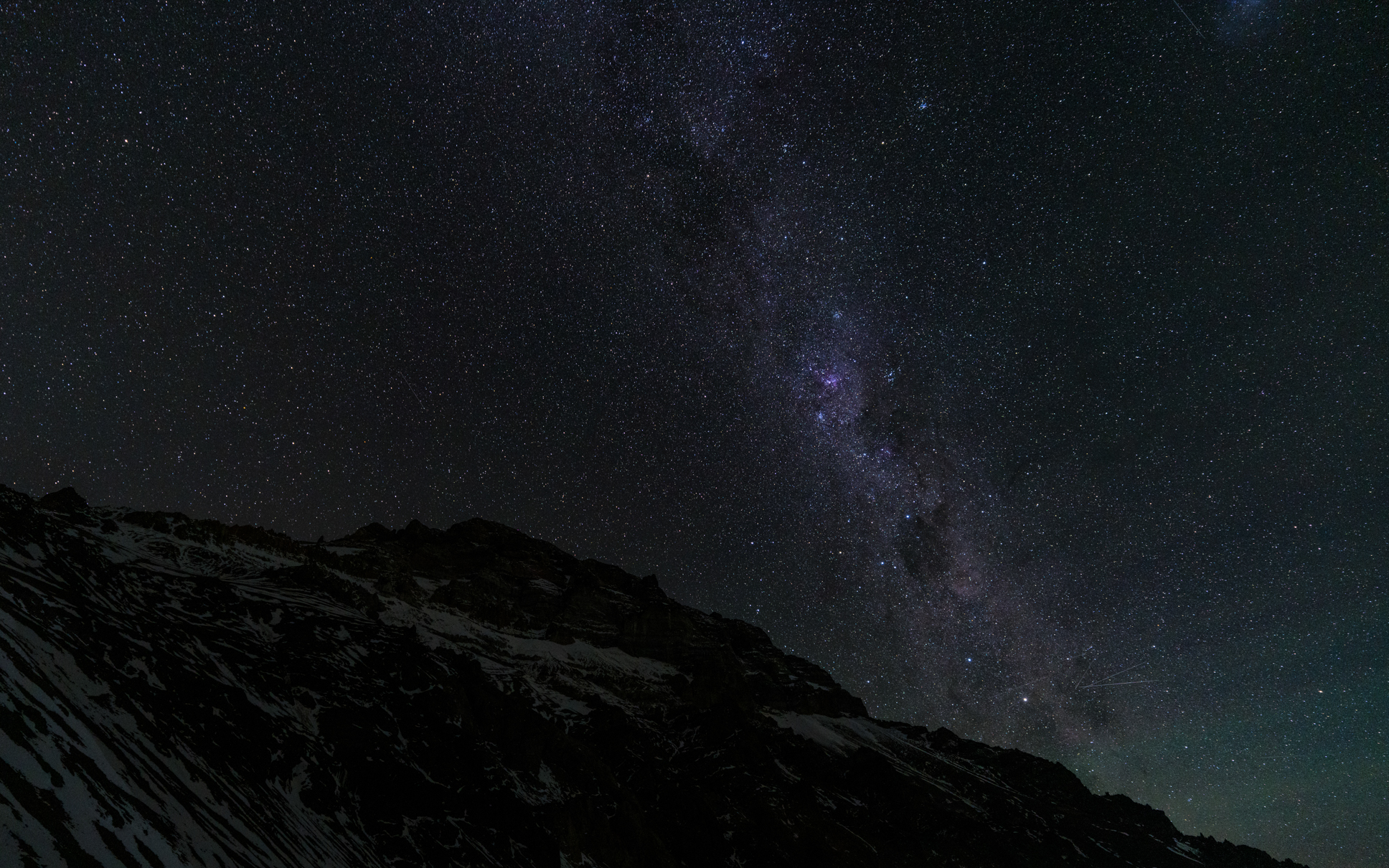
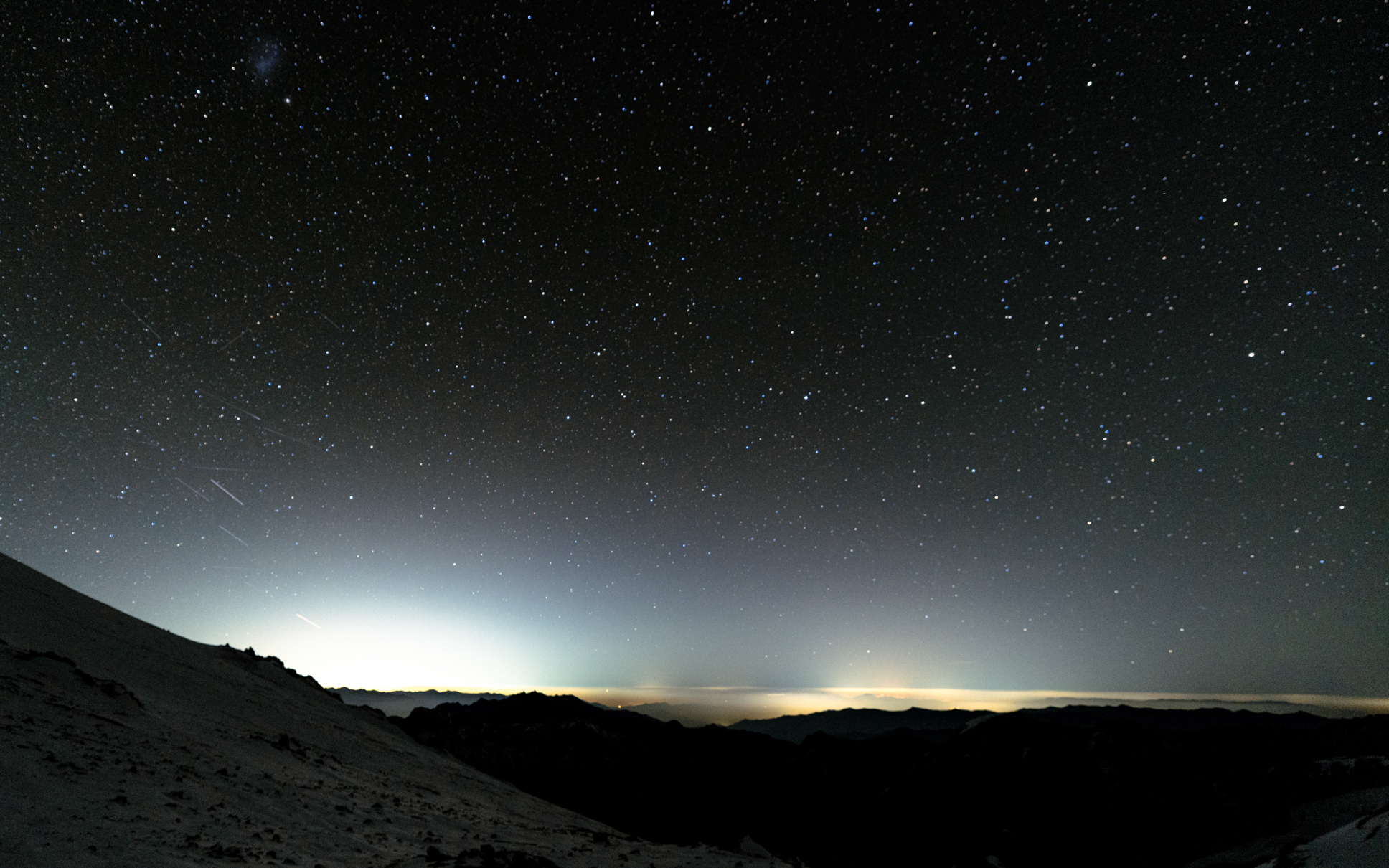
Not sleeping much inside the tent, I got out to take a picture of the stars.
There comes a time in any adventure when you must talk about bodily functions. Before the trip, I saw “pee bottle” on the list of equipment. “That’s really important,” Christoph said. I kind of laughed. It turns out, when it is -10 degrees and windy outside, the pee bottle is indeed important. Any walk outside would be a long walk.
The base camp toilets are small outhouses. For obvious reasons, they have a bit of ventilation. But air out means air (and snow) in too. At the camps, the toilet is not so much a toilet as just four walls that allow you to do your thing without wind chill. But poop goes into a bag that you need to carry down. When you get home, being able to poop on a warm, snow-free, flushable toilet is just one of the many things you realize you missed much more than Netflix.
After our night in the high camp, we hiked up to the third camp at 6,000 meters and then turned around to go back to base camp. We left our tents and sleeping mats in place so that we wouldn’t have to carry them again.
Now it was a waiting game. We had three rest days as the wind was mostly blowing at 80 - 100 kph these days. My base camp tent took some minor damage so a morning project was to collect rocks to fill the inside perimeter of the tent in order to hold it down.
Finally the forecast looked good to summit on the 23rd. We went back to Nido de Cóndores on the afternoon of the 22nd where we met a few of the people we had met earlier in base camp (they had stayed in the lower high camp, Canada, the night before). There is really nothing to do in these higher camps so we made an early dinner and were in our tents around 6:30 PM. This time I knew that sleeping would be a challenge so I brought my airpods and started listening to music. I think I slept 3-4 hours this time, plus it was a few degrees warmer so I wasn’t completely frozen (for reference, I was wearing down pants and a down jacket, was inside of one down sleeping bag, which was inside of another down sleeping bag, both rated for -10 C, and I would rate the warmth level as “not freezing”).
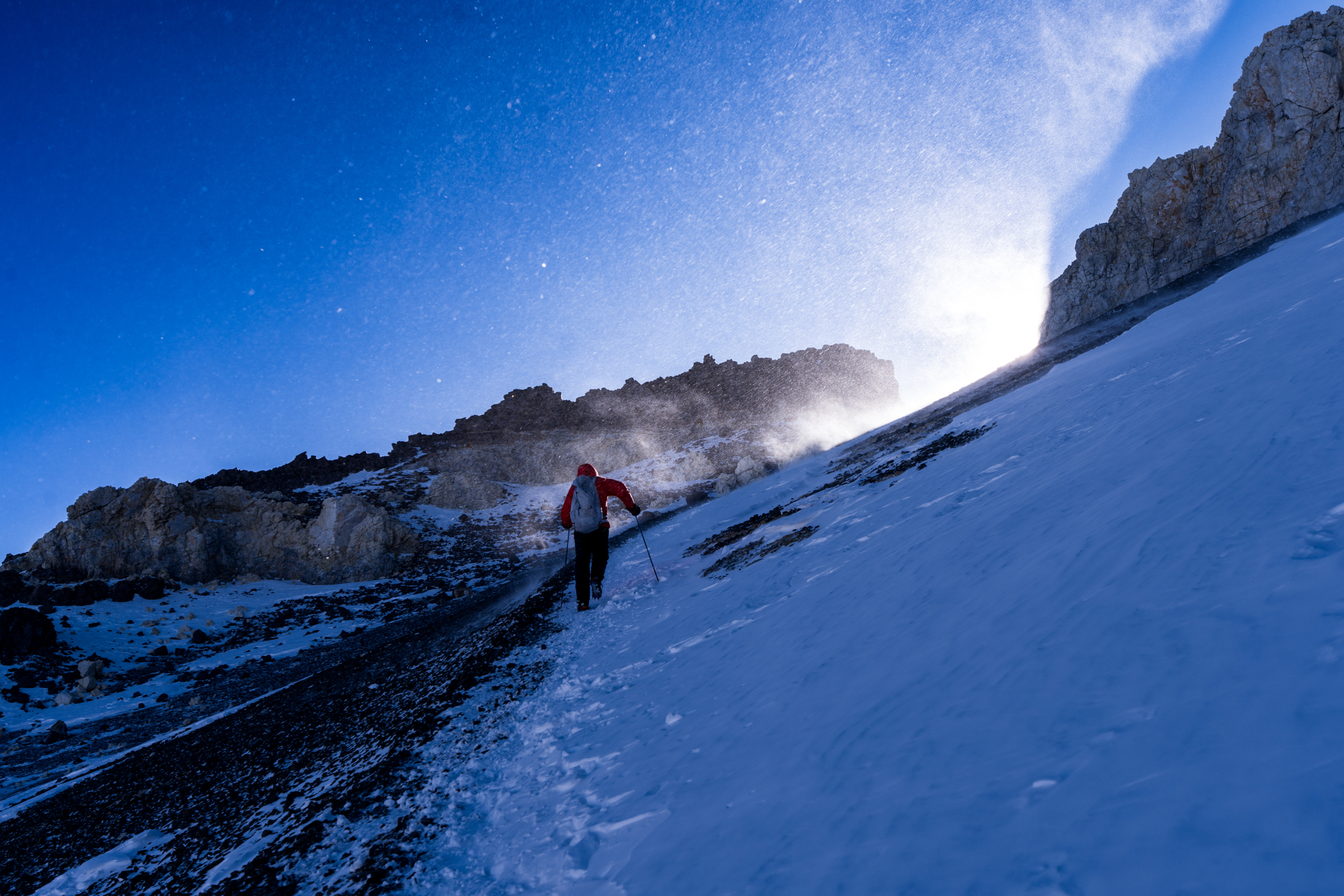
In the morning we boiled water for instant oatmeal and set off around 6:30 AM. Still before the sun, it was bitterly cold. My fingers and toes were more-or-less immediately numb. Toe warmers were useless. I had some down expedition mittens that helped with the hands but I couldn’t use my poles with them (I’m a skier, I feel naked without them). The sun helped once we were in it, but there was a section called “The Traverse” at around 6,400 m where the wind was blowing a steady 100 kph. We discussed turning around here, but decided that even if it was extremely unpleasant, it was not dangerous. As we got across this section, the wind eventually died down. Above this altitude I did start to feel its effects. If I paused to eat something and then ran to catch up, the “running” part did not last long. At that elevation, it felt like there was a real speed limit. But we made it to the summit and stayed for a few minutes to celebrate. But it was still bitterly cold and windy so we quickly started going back down. We also had an afternoon project on the way down: disassemble our tents at Nido and lugging all the gear down to base camp.
But the trip was not over after the first summit. I wanted to go back and see how it felt to go all the way from base camp – no high camps. I took a rest day and set off again at 6:15 AM on Christmas morning from Plaza de Mulas.
From the start, I was not feeling good, but tried to keep a conservative pace. After about an hour I was feeling better and I made it to Nido de Cóndores in 2h 10m. It was still pre-sun and very cold so I took a 15 minute break to put on warmer clothes before setting off again. 50 minutes later, I was passing through the last camp, Colera.
Then you could say that the meltdown started. Above 6,000 meters, I felt completely blocked. Sometimes I would take a break, then take four steps (literally), and need to stop again. I tried to slow down my pace by doubling my steps – left forward, feet together, right forward, feet together, etc. – but even that felt too fast at times. It took over an hour to climb to the next checkpoint, Indepencia, at 6,390 meters.
By this time I had essentially decided to bail, I just wanted to make it to The Traverse because there is a shortcut down through a scree field. But at The Traverse I decided to go halfway across it as it is relatively flat and would be a break from climbing. Then I took a five-minute break to put on crampons and started going again. A few minutes later I ran into one of the guides I knew and took a break to talk to him. A few minutes later I was at La Cueva, only 300 meters below the summit. Two guys were there and one said to me, “I heard it’s still three hours to the summit.” “Yeah, could be.”
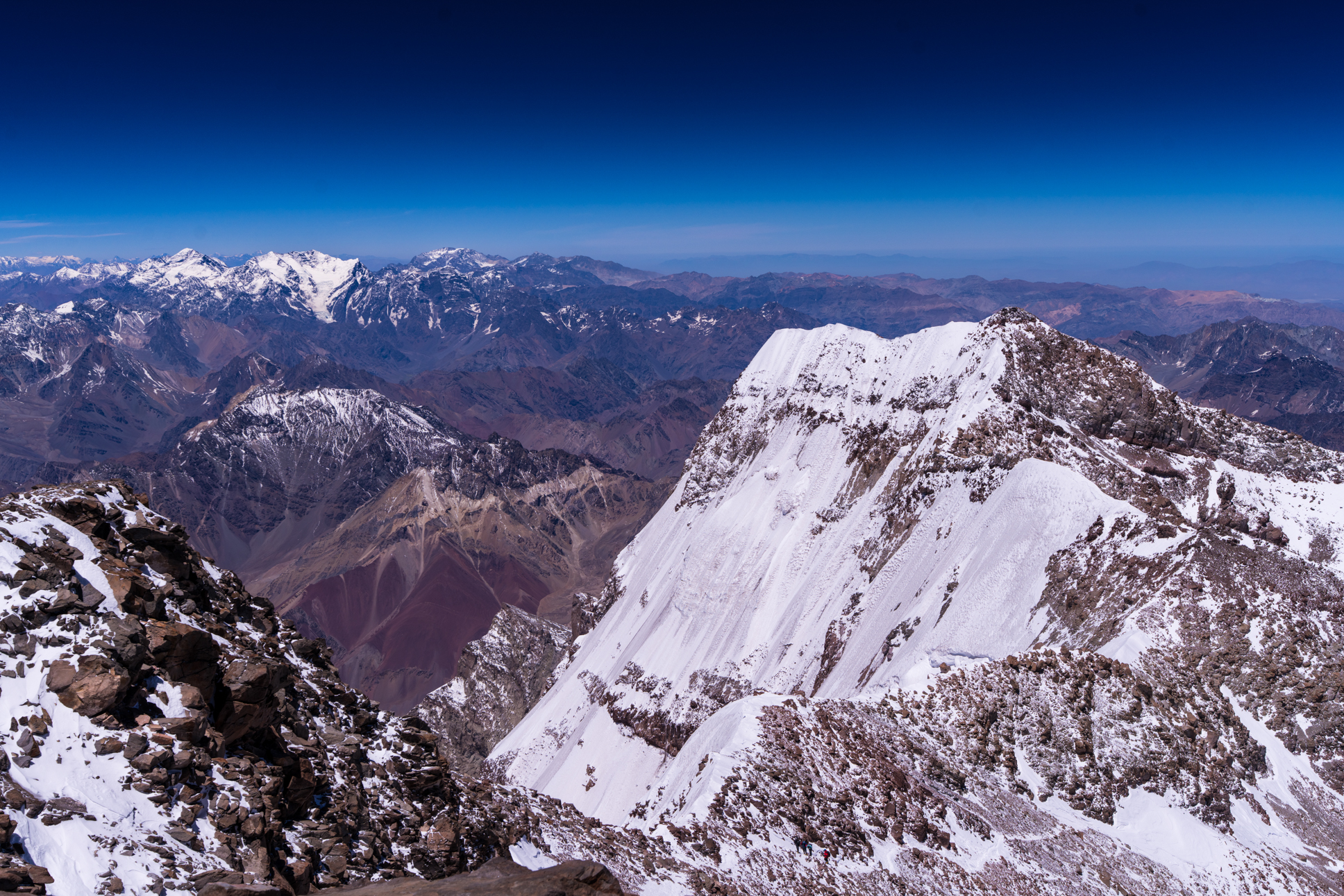
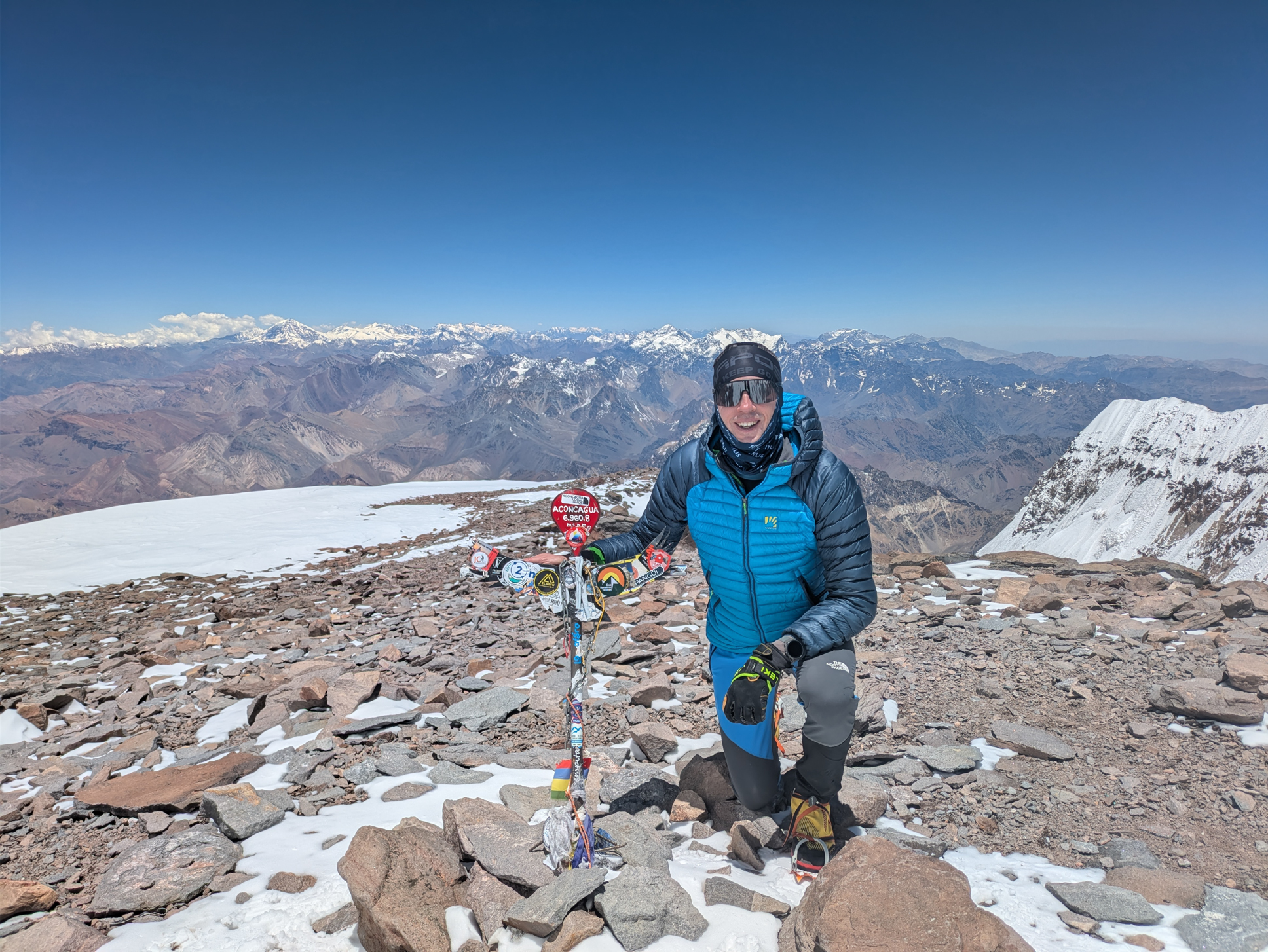
Normally, 300 meters would take me 15-20 minutes. This day, it took me 50. But I made it, and with perfect timing. I met three other groups at the summit who we had met in base camp, so it was great to share that moment at the summit with them. Plus it was perfect weather, almost no wind, and it had warmed up to the point of wearing thin spring gloves and a headband on the summit.
The next day, I woke up early to take down my tent and pack my sleeping bags so that I could get an early start on the way out. It’s a 25 km hike out to the trailhead, and although I was expecting an extra kilometer down the road to the ranger station, a van pulled up literally as we reached the trailhead to pick us up (thanks Grajales). Normally one would wait until the late afternoon when the mules arrive with the baggage from base camp, but my flight home was the next day, so we hired a separate taxi to go to Mendoza early and enjoy a nice dinner together.
Some more pictures: